Mastering Reflection Questions for Med & Dental Interviews
Reflection questions are a staple of medical and dental school interviews. This guide explains what reflection really means, how to structure answers using STAR and Gibbs models, and gives practical examples to impress interviewers.
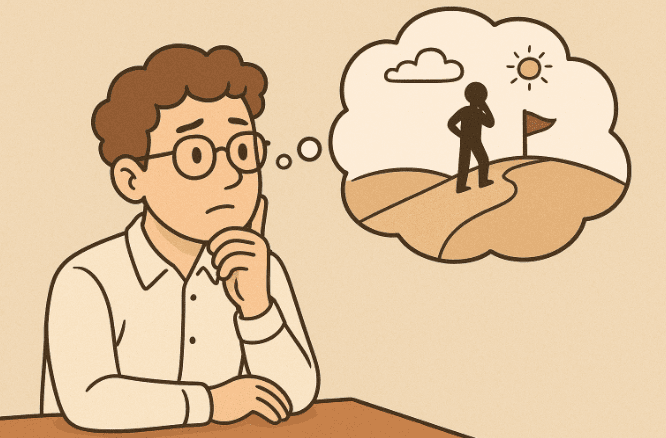
Reflection. If you’re a medical or dental student, you’ve probably heard this word a million times. And if you’re preparing for interviews, chances are high you’ll get a question about it. “Tell me about a time you reflected on something” or “Give me an example of when you demonstrated a skill” are classic prompts.
But what does it actually mean to reflect, and how can you answer these questions in a way that impresses interviewers? Let’s break it down in a friendly, step-by-step way, with lots of examples so it actually makes sense.
What Reflection Really Means
Many students confuse reflection with just telling a story. But reflection is thinking deeply about an experience, understanding what went well, what didn’t, and how it helped you grow.
The key is: it’s about what you did, not just what you saw. It could be something from:
Work experience (helping out in a clinic, hospital, or dental practice)
Volunteering (supporting people in the community)
Personal experiences (for example, caring for a family member)
What matters is that it changed your outlook, taught you something, or helped you solve a problem.
Two Popular Reflection Frameworks
When it comes to structuring your reflection, two frameworks are widely used:
1️⃣ STAR Technique
The STAR technique is one of the easiest ways to organize your answers. STAR stands for Situation, Task, Action, Result.
S – Situation
Describe the context of your example. Where were you? What was happening?
Example: “During my work experience in a dental clinic, I noticed a patient was very anxious about having a filling.”
T – Task
Explain what your responsibility or goal was in that situation.
Example: “My task was to help put the patient at ease and make sure they understood the procedure.”
A – Action
Describe the steps you took to address the task. Focus on your actions.
Example: “I spoke to the patient calmly, explained each step of the procedure in simple terms, and allowed them to ask questions.”
R – Result
Share the outcome. What happened because of your actions? What did you learn?
Example: “The patient felt more comfortable, completed the procedure, and thanked me for helping them feel less anxious. I learned how effective clear communication and empathy can be in patient care.”
✅ Quick tip: STAR works perfectly for questions like “Tell me about a time you demonstrated teamwork” or “Give an example of when you solved a problem.”
2️⃣ Gibbs Model of Reflection
The Gibbs model goes a bit deeper and is great for showing insight. It has 6 steps:
Description – What happened?
Example: “While volunteering at a care home, a resident became very anxious before their physiotherapy session.”
Feelings – How did you feel at the time?
Example: “I felt unsure and worried I might make the situation worse.”
Evaluation – What was good or bad about the experience?
Example: “It was good that I was able to reassure them, but I realized I could have prepared more strategies in advance.”
Analysis – Why did it happen? What could have been done differently?
Example: “The patient’s anxiety came from not understanding the process. I realized breaking the routine into smaller steps could help.”
Conclusion – What did you learn from the experience?
Example: “I learned that active listening and patience are crucial for calming anxious patients.”
Action Plan – What would you do if it happened again?
Example: “Next time, I would explain each step clearly from the start and check the patient’s understanding before beginning.”
✅ Quick tip: Gibbs is perfect for reflection questions like “Tell me about a time you learned from a challenging situation” or “Describe a situation that made you think differently.”
My Step-by-Step Reflection Framework
Here’s a practical framework combining both models. Let’s say the interview question is:
“Tell me about a time you demonstrated empathy.”
Define the value – “Empathy means understanding and sharing someone else’s feelings.”
Choose an example – “During my time as a carer for an elderly patient…”
Explain your role – “My responsibilities included helping with daily tasks, administering medication, and spending time to support their mental wellbeing.”
Introduce the problem – “One day, the patient became very anxious about an upcoming hospital appointment…”
Describe your feelings – “Initially, I felt unsure about how to calm them down.”
Describe the challenge – “The patient refused to get dressed for the appointment. I needed to reassure them while respecting their independence.”
Explain your solution – “I listened carefully, broke tasks into smaller steps, and explained what would happen at the hospital.”
Share the outcome – “The patient attended the appointment calmly. I learned how impactful empathy and communication can be.”
Link it to medicine – “Empathy is essential for patient-centered care, building trust, and improving outcomes.”
Connect to NHS values & GMC guidelines – “This aligns with NHS compassion and GMC guidance to put patients first.”
Highlight professional development – “This helped me develop active listening and emotional intelligence, skills I continue to use as a medical student.”
Optional historical link – “It also reminds me of the Mid Staffordshire case, where lack of empathy had serious consequences.”
Quick Tips for Students
Keep it personal: Interviewers want your experience, not a generic story.
Be honest: Challenges and mistakes are okay—what matters is learning from them.
Practice out loud: Reflection questions are easier if you rehearse key points.
Link to values: Tie examples to medicine, NHS values, or GMC guidance.
Have multiple examples ready: Communication, teamwork, problem-solving, empathy—cover different areas.
Reflection questions are common, but once you know how to structure your answer, they become a chance to shine. Think of them as storytelling with a purpose: show what you did, what you learned, and why it matters in medicine.
Conclusion: Reflection Is Your Superpower
The most important thing to remember is that it doesn’t matter what experience you choose, whether it’s volunteering at a care home, shadowing a doctor, or even a personal challenge. What truly matters is that your example is reflective: that you show what you did, what you learned, and how it shaped you.
Reflection is your chance to shine in interviews. It shows that you can think critically, grow from experiences, and understand the human side of medicine. So don’t stress about finding the “perfect” story, focus on showing insight, honesty, and your personal growth.
Every experience, big or small, can be turned into a strong reflection if you think about it thoughtfully. Embrace it, practice your stories, and let your passion and empathy come through. You’ve got this! 🌟