How to Handle Yourself in an Interview (Without Freaking Out!)
Medical school interviews can be nerve-wracking, but preparation makes all the difference. This guide covers what to wear, virtual setup, body language, voice, common mistakes, and day-of checklists to help you shine.
Author: Olivia Benny - 3rd Year Medical Student
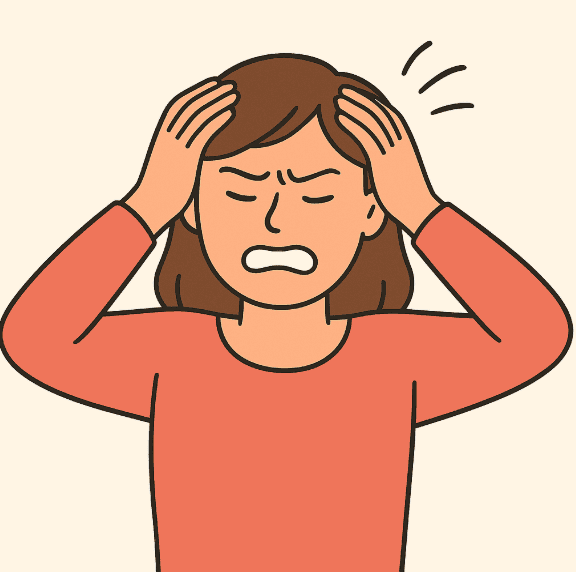
Let’s be honest: interviews are nerve-wracking. Before my first one, I was panicking so much I thought I’d forget my own name. Sweaty palms, racing heart, endless “what if I mess this up?” thoughts — sound familiar? If you’re in that place right now, you’re not alone. Most people feel the exact same way. The good news is that nerves don’t have to ruin your performance. With a little preparation, you can walk in looking and feeling confident.
Here are some tips that helped me, and I hope they’ll make your interview experience smoother too.
👔 What to Wear
Think formal but comfortable. The last thing you want is to be distracted by a shirt that feels scratchy or shoes that hurt after five minutes. For in-person interviews, a suit, smart dress, or a shirt with trousers or a skirt (knee-length) is ideal. Black lace-up shoes or simple flats are perfectly fine. The standard you would aim for in a school or professional setting is usually the right level.
Don’t overlook the little things. Make sure your clothes are clean and ironed, your shoes polished, and yes, even your scent matters. You don’t need expensive perfume, just good personal hygiene and maybe a subtle deodorant or fragrance. These small details send the message that you’ve put effort into how you present yourself.
If you wear makeup or accessories, keep it minimal and professional. You want the interviewer to focus on you and what you’re saying, not on distractions.
💻 Virtual Interviews
If your interview is online, the setup is just as important as what you’re wearing. Choose a quiet, well-lit space with a plain background if possible. If your background is cluttered with posters, laundry, or random objects, it can take attention away from you. Some universities allow blurred backgrounds, but not all, so always check the guidelines in advance.
Position your camera at eye level so that it looks like you’re speaking directly to the interviewer. If you’re staring down at your laptop or glancing around the room, it can give the wrong impression. Make sure the camera is close enough to see your face clearly but not so close that you’re filling the whole screen. Ideally, your hands should be visible too, since they help convey expression.
Lighting matters more than people think. Natural light is best, so sit near a window if you can. If that’s not possible, use a lamp to brighten your face. Poor lighting can make you look tired or disengaged, even if you’re giving your best answers.
Finally, treat the interview as if it were in person. That means no pyjama bottoms, no scrolling your phone on the side, and no snacks during the call. The effort you put in really shows.
📝 Notes or No Notes
Sometimes students worry about whether they can bring notes. In person, interviewers occasionally give you a blank sheet to jot things down. If you’re online, you may be allowed a blank piece of paper, but if so, be ready to show both sides to prove it’s not pre-prepared.
If you do use a piece of paper, keep it simple, just a space to quickly note key words during the interview, not full scripts. Reading rehearsed answers looks unnatural and can stop you from sounding genuine.
🗣️ Body Language and Voice
Your body language and tone of voice can make a huge difference, especially in a high-stakes setting like this.
Sit up straight to show you’re engaged, but don’t sit so stiffly that you look uncomfortable. Use hand gestures when you speak but keep them natural and controlled. Too much can be distracting, but the right amount shows energy and enthusiasm.
Eye contact is crucial. In person, look directly at the interviewer rather than the floor or your hands. Online, this means looking at the camera rather than the screen, even though it feels a little unnatural at first. It helps the interviewer feel that you’re talking to them, not to yourself.
Tone of voice is just as important. Avoid speaking in a flat or monotone way, as it can make you sound bored or unprepared. Instead, vary your pitch slightly, pause between points, and let your natural enthusiasm come through. Don’t rush your answers either. If you speak too quickly, it can seem like you’ve memorised a script. Take your time, it shows confidence.
A good tip is to record yourself answering a few practice questions. Watching it back can be uncomfortable, but it helps you spot habits you may not notice, like talking too fast, slouching, or avoiding eye contact.
⚠️ Common Mistakes to Avoid
It’s easy to get caught up in nerves and slip into habits that don’t help. Here are some things to keep in mind:
Avoid chewing gum, eating, or fidgeting with pens and jewellery. These small distractions can become the only thing the interviewer notices.
Don’t interrupt the interviewer. It can happen when nerves take over but pausing for a second before answering shows confidence and patience.
Avoid overly rehearsed answers. Memorising word-for-word can make you sound robotic. Instead, focus on key points you want to get across.
Don’t forget to smile. It sounds obvious, but a natural smile goes a long way in building rapport.
Never badmouth schools, universities, or previous experiences. Even if you had a tough time, keep it professional and focus on the positives.
✅ Day-Before and Morning-of Checklist
Here’s a quick run-through to keep you calm and prepared:
The Day Before
✅ Pick out and iron your outfit so you’re not rushing in the morning
✅ Double-check the interview time and location (or link if online)
✅ Test your internet connection, camera, and microphone if it’s virtual
✅ Pack a bottle of water, ID (usually passport or driving licence), and anything else requested
✅ Get a good night’s sleep because being alert matters more than last-minute cramming
The Morning Of
✅ Eat a proper breakfast, nothing too heavy but enough to fuel your brain
✅ Do a quick mirror check, outfit tidy, hair neat, no toothpaste on your shirt
✅ If virtual, log in 10–15 minutes early to check your setup again
✅ Take a few deep breaths before starting because it calms your nerves and steadies your voice
✅ Remind yourself that you’ve prepared, you’re ready, and the interviewers want you to do well
🌟 Final Thoughts
Remember, interviewers are not out to get you. They want to see you succeed. Most of the time, they’re simply trying to get to know you and understand how you think and communicate. Even if you stumble on one answer, it doesn’t mean the interview is lost. What matters most is how you carry yourself, how you recover, and whether you can show them your genuine self.
I know the nerves feel overwhelming now, but with the right preparation, your outfit, your environment, your body language, and your voice, you’ll be walking in already looking the part. The rest is about showing them why you’re ready for this opportunity. I know you will smash this.