
Med School Money Stress? Here's Your UK Survival Guide
Med school can feel expensive, but there are ways to manage tuition, living costs, and essentials. From student loans to scholarships, NHS bursaries, part-time work, and budgeting hacks, here’s a UK-focused guide for aspiring medics.
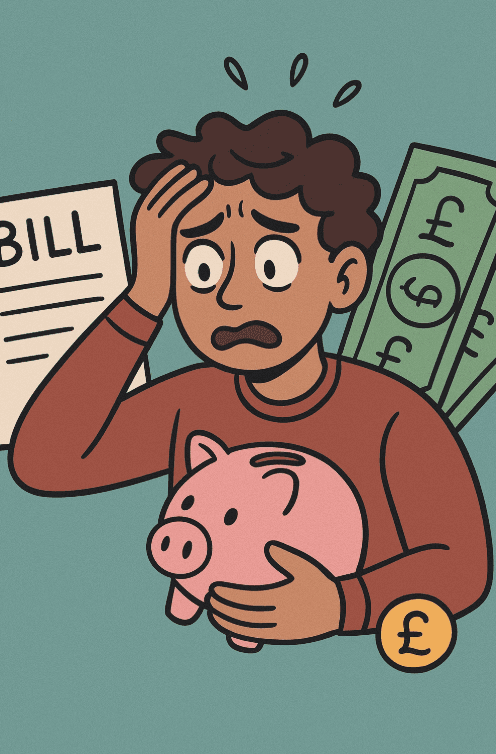
So, you've got your heart set on med school. Your personal statement is sparkling, your extracurriculars could fill a small library, and you've even memorised the UCAS website by heart. But then reality hits: money. Tuition fees, living costs, textbooks, coffee... it all adds up. Suddenly, your dream feels like a giant financial jigsaw puzzle. Don't panic. You've got options, and you're not alone. Here's your friendly, UK-focused guide to navigating med school finances without losing your sanity, or your sense of humour.
🧠 Stress About Money? Totally Normal
Money worries are not a sign of failure, they're a sign you care. That stress is just your brain waving a little red flag: "Plan this, buddy!" The trick is to turn that stress into planning energy, not panic energy. Make a list of worries, then a list of options. Suddenly, that mountain of money stress looks more like a few hills you can climb.
💰 Student Loans: Your Financial Lifeline
Here's the good news: if you're a UK student, tuition fees are usually covered by student loans. Student Finance England (or Scotland, Wales, Northern Ireland equivalents) can also give you a maintenance loan to help with rent, bills, and living costs.
Tuition Fees
For the 2025–26 academic year, tuition fees for full-time undergraduate medical courses in England are set at £9,535 per year. This represents a 3.1% increase from the previous year, aligning with inflation adjustments.
Maintenance Loans
Maintenance loans are designed to assist with living costs. The amount you can borrow depends on factors such as household income, where you live, and whether you live at home or independently. For instance, students living away from home in London can receive up to £13,762, while those living at home may be eligible for up to £8,877.
Pro tip: Apply early! Loans are amazing, but timing is everything. And don't worry, loans are repayable after you graduate and earn above a certain threshold, so you're not drowning in debt while you're still a student.
🏥 NHS Bursaries: Extra Help in Later Years
In your final years of med school, you might be eligible for NHS bursaries, which can be a real lifesaver.
Eligibility
To qualify for NHS funding, you must:
Be a UK citizen or have settled status.
Be studying a full-time undergraduate medical degree.
Be in the final years of your course (typically years 5 and 6 for a 6-year course).
Funding Components
Eligible students may receive:
Tuition Fee Support: Full coverage of tuition fees.
Maintenance Bursary: A means-tested grant to assist with living expenses.
Additional Allowances: For students with dependents, disabilities, or specific health conditions.
It's important to note that NHS funding is subject to specific eligibility criteria and may vary between institutions.
🎓 Scholarships & Bursaries: Free Money!
Yes, really. Many UK med schools offer scholarships or bursaries for students based on financial need, academic merit, or other specific criteria. Examples include:
Oxford Bursary: Household income-based support
Crankstart Scholarship: For students from disadvantaged backgrounds
Queen Mary Bursary: Financial need-based support
Pro tip: Make a spreadsheet of scholarships and deadlines. Apply for every one you're eligible for. Every pound counts!
🧑💼 Part-Time Work: Possible, But Keep It Real
Balancing a part-time job with med school is tricky, but doable. Some options:
Tutoring younger students in science or maths
Lab assistant work
Flexible retail or café jobs
Uni on-campus roles
Pro tip: Protect your study time. Med school is intense, and your health and sanity are worth more than a few extra pounds. Even a few hours a week can help with groceries, travel, or that all-important coffee fix.
📝 Budget Like a Boss
Budgeting doesn't have to be boring. Track what goes out and what comes in, prioritise essentials, and allow yourself a little fun money (because memes and takeaway nights are essential survival tools).
Apps, spreadsheets, even sticky notes work. Seeing your spending laid out can reduce anxiety massively.
😂 Keep Your Sense of Humour
Money stress is heavy, but humour makes it lighter. Laugh at your bargain-hunting adventures, your half-eaten instant noodles, or the fact that you know Tesco's meal deal menu better than the NHS website. Sharing memes about "how broke we are but still dreaming of med school" is mandatory.
💌 Build a Support Network
Talk to people. Friends, family, current med students, they've all been there. They can share scholarship tips, budgeting hacks, and moral support. Venting is allowed. Crying into a pillow occasionally is allowed. You're not weak, you're human.
🌈 Keep Perspective
Here's the golden truth: money stress is temporary. Tuition can be covered, bursaries exist, part-time work is doable, and loans are repayable later. Every financial hurdle has a solution. Even if you hit a bump, it doesn't mean your dream is over. You just need a bit of planning, creativity, and persistence.
✅ Quick UK Money Survival Tips
Apply for everything: loans, bursaries, scholarships. Don't leave a penny on the table.
Budget like a boss: track spending, prioritise essentials, plan treats.
Flexible part-time work: small, manageable, and fun if possible.
Talk it out: friends, family, fellow students, they get it.
Be kind to yourself: money worries are stressful, but you're doing your best—and that counts.
💡 Final Thoughts
Yes, med school is expensive. Yes, living costs are real. But with loans, NHS bursaries, scholarships, part-time work, smart budgeting, and a sense of humour, you can survive the financial rollercoaster.
You're ambitious, capable, and resilient. Money might be a challenge, but it's not an obstacle you can't overcome. And yes—your coffee habit? Still iconic. ☕😄